
Search is changing fast. Generative answers and AI Overviews put synthesized summaries on top, while classic blue links sit lower on the page. That shift rewards content that machines can parse, cite, and trust.
Schema markup is your foundation. Done right, it clarifies who you are, what a page is about, and which facts are safe to show. This guide shows how to prioritize structured data that still matters, and how it supports Answer Engine Optimization (AEO), Generative Engine Optimization (GEO), and Google’s AI Overviews.

Contents
- TL;DR
- Schema Markup: Purpose and Relevance
- SEO vs AEO vs GEO: Impact on Schema
- Schema Types to Prioritize in 2025
- Things You Don’t Need to Prioritize
- Ways Schema Supports AI Overviews and Answer Engines
- Implementation Best Practices That Still Hold Up
- Examples
- Actionable Steps and Checklist
- Glossary
- FAQ
- Final Thoughts
TL;DR
- Use schema to make facts machine-readable. It does not guarantee rich results, although it improves understanding and eligibility.
- Focus on supported types with business impact, including Organization/Logo, LocalBusiness, Product (including variants), Reviews, and Event.
- AI Overviews expand and evolve. Clear structure and citations help models choose, quote, and link your pages.
- AEO favors concise, skimmable answers. GEO favors content that models can justify and cite across the web.
- Test with the Rich Results Test, monitor in Search Console, and skip deprecated or restricted types.
Schema Markup: Purpose and Relevance
Schema markup is a standard vocabulary (schema.org) that you add in JSON-LD to describe entities and properties on a page. Search engines and AI systems use it to disambiguate names, connect IDs, and extract key facts like product price, event time, or a brand’s logo.
In 2025, Google simplified its results, retiring several rich result types and Search Console reports. That makes it more important to invest in the markup Google still supports and uses widely. It also means you should expect fewer decorative results and more emphasis on correctness, trust, and helpfulness.
The 2025 Reality Check: What Changed
See important details that Google has phased out or limited reporting. Some updates reflect the new search priorities.
- Google phased out or removed reporting for some structured data features, including Course Info, Claim Review, Estimated Salary, Learning Video, Special Announcement, and Vehicle Listing. Rankings are not directly affected, although those markups no longer produce rich results.
- FAQ rich results are limited to well-known government or health sites. For most sites, FAQ markup will not show as a rich result.
- Product markup gained real depth using shipping, returns, and product variants that help search and shopping surfaces understand your offers.
- AI Overviews rolled out broadly and added AI Mode. Overviews show links to sources, including inline links, when the system finds helpful supporting pages.

SEO vs AEO vs GEO: Impact on Schema
AEO and GEO are strategy frameworks, not official Google features, while AI Overviews and AI Mode are the actual Google experiences they aim to influence. Below is a quick way to decide which levers to pull on a given page or project.
| Approach | Where It Shows | Primary Levers | High-Impact Schema Today |
| Classic SEO | Organic results and rich results | Crawlability, intent match, internal links, page experience | Organization/Logo, Breadcrumbs (desktop), Article/BlogPosting where relevant |
| AEO (Answer Engine Optimization) | Featured snippets, People Also Ask, voice responses, and AI Overviews text | Question-led headings, concise answers, definitions, step lists | FAQPage only if you are an eligible gov/health site; otherwise, use clear Q&A sections plus Review, How-to steps without relying on HowTo rich result |
| GEO (Generative Engine Optimization) | AI Overviews, AI Mode, chat/answer engines | Machine-scannable facts, citations from authoritative sites, consistent IDs, freshness | Organization (ids, sameAs), Product with offers/variants, LocalBusiness, Event, Review/AggregateRating |
Schema Types to Prioritize in 2025
Prioritizing specific, high-impact schema types can signal your content’s authority and context to evolving search algorithms. This strategic focus keeps your most valuable information readily available for Rich Results, Knowledge Graph entries, and high-visibility placements, directly enhancing your brand’s presence on the SERP.
Organization and Logo
Add Organization markup to your homepage. Include legalName, logo, sameAs, and identifiers like Legal Entity Identifier (LEI) or the North American Industry Classification System (NAICS) where applicable. This helps Google disambiguate your brand and show the right logo and details in knowledge panels and merchant profiles.
LocalBusiness
For locations, use LocalBusiness. Provide name, address, geo, opening hours, telephone, department data where relevant, and link to your Google Business Profile. This supports Maps, local packs, and richer panels. Optionally include your Google Business Profile/Maps URL in sameAs, and your map link in hasMap.
Product (Plus Variants, Shipping, Returns)
On product pages, mark up name, image, description, brand, offers (price, availability), and AggregateRating when you host first‑party reviews.
- Add variant data (size, color, etc.) so Google understands that multiple SKUs roll up under one parent product.
- Add Merchant Return Policy. Put your store-wide policy under Organization, and any product-specific overrides under each product’s Offer.
- For loyalty, nest a Member Program under Organization.
- If members get special pricing or points on a product, reflect that on the product’s Offer.

Review Snippets
If you host reviews, use Review and AggregateRating on the actual item page. Do not mark up third‑party reviews you embed. If you are the entity being reviewed, avoid self‑serving star ratings on your own LocalBusiness pages.
Event
For single events with a unique URL, add an Event with name, startDate, location, and tickets. Avoid marking promos or categories as events. Use high‑quality images and keep dates in ISO format.
Things You Don’t Need to Prioritize
Don’t spend time on Google‑deprecated types that no longer produce rich results, or on FAQPage if you are not a qualified government or health site. If you publish news and experiment with Speakable, note that it is U.S./English‑only and still limited.
Ways Schema Supports AI Overviews and Answer Engines
Schema acts as a clean, machine-readable “translation” layer for your content, which is critical for large language models to accurately extract and cite information for AI Overviews. By structuring your data, you increase your content’s eligibility to be selected as the trusted source that powers conversational, zero-click answers in the new era of search.
- Clarifies entities and IDs: Organization and LocalBusiness properties reduce ambiguity in brand mentions, which helps answer engines link to the right entity.
- Makes facts easy to extract: Product price, availability, and policy data in markup are straightforward to verify and cite.
- Reinforces on‑page answers: Clear Q&A sections, tight definitions, and step lists help both featured snippets and AI Overviews produce accurate summaries.
- Boosts confidence scores: Consistent markup across site pages, feeds, and profiles gives models more reasons to trust and link your content.
Implementation Best Practices That Still Hold Up
Following best practices is non-negotiable for earning rich results. These foundational steps guarantee that your structured data is error-free, maintainable, and maximally effective across all current and future search interfaces.
- Use JSON‑LD and keep markup consistent with visible content. Hidden or misleading markup risks manual actions and loss of rich result eligibility.
- Validate with the Rich Results Test for Google features and the Schema Markup Validator for general schema.org compliance.
- Map every product and location to a stable URL and ID. For variants, keep a clean parent‑child structure.
- Keep images crawlable, use supported formats, and meet minimum size guidelines.
- Expect no guarantees. Even perfect markup does not promise display. Eligibility depends on the query, device, and many other variables.
Examples
Here are a couple of examples of how brands and businesses might use schema:
To Improve Local And AI Visibility
As an example, a regional clinic wants to improve their local and AI visibility. The clinic adds Organization and LocalBusiness markup to its homepage and each location page, including hours, departments, and sameAs links to health authority profiles. It rewrites service pages with question‑led sections and short, plain‑English answers about symptoms, insurance, and appointment steps.
AI Overviews start citing the clinic for common care questions in its city, while Maps panels show correct hours and a consistent logo. The clinic avoids FAQPage because it is not a government or national health authority, focusing instead on clean Q&A sections users can read on page.
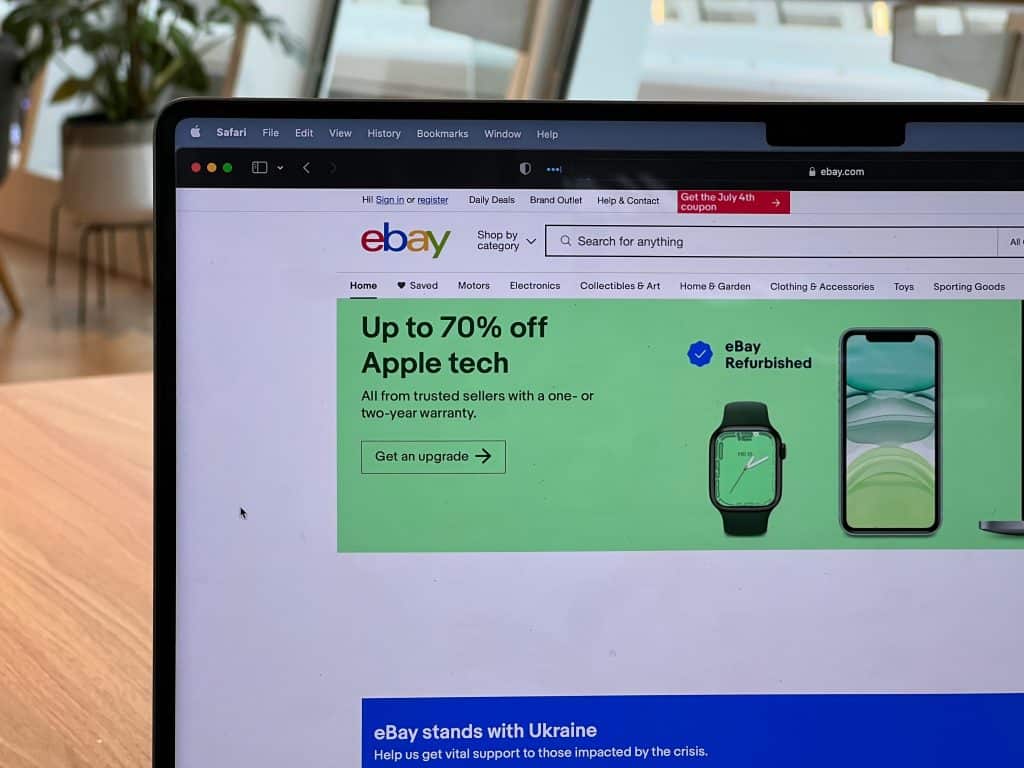
To Elevate Product Pages
As another scenario, a DTC apparel brand implements Product markup with variants for color and size, plus precise offers and return policy details. It hosts first‑party reviews and marks up AggregateRating on each SKU. Buying guides use skimmable comparisons and crisp definitions.
As a result, shopping surfaces display accurate price and availability, AI Overviews link to the brand on care and sizing questions, and featured snippets occasionally pull its sizing guidance. The team drops deprecated schema types and invests time in product imagery that meets Google’s image guidelines.
Actionable Steps and Checklist
Here are high-impact tasks to take advantage of the schema markup:
- Inventory your markup sitewide. Remove or ignore deprecated types and fix invalid items.
- Add Organization to the homepage with a crawlable logo, legal name, identifiers, and sameAs profiles.
- For each location, add LocalBusiness with complete NAP, hours, and geo coordinates. Consider adding your GBP/Maps URL in sameAs and your map link in hasMap.
- For each product, add Product with offers, shipping/returns, and variants. Add AggregateRating only for reviews you host and verify.
- For events, use a unique URL per event with Event markup and ISO‑formatted dates.
- Restructure key pages for AEO, including question headings, short answers, steps, and definitions near the top.
- Validate in the Rich Results Test. Fix critical errors. Request reindexing for a sample set, then scale.
- Monitor Search Console for rich result items and indexing. Expect no display guarantees.
- Keep content fresh and cited. Earn mentions on authoritative third‑party sites to support GEO.
Glossary
These are the key technical and strategic terminology used throughout a comprehensive schema guide.
- Schema Markup: Code that labels entities and facts on a page using the schema.org vocabulary so machines can understand them.
- JSON‑LD: A lightweight data format for embedding linked data in HTML, recommended for schema markup.
- Rich Result: A search result with enhanced visuals or data beyond a standard blue link.
- AEO: Answer Engine Optimization, the practice of structuring content to deliver concise, direct answers for answer engines.
- GEO: Generative Engine Optimization, the practice of making content easy for AI systems to parse, justify, and cite in generated answers.
- AI Overviews: Google Search summaries that synthesize information and link to supporting pages.
- AggregateRating: A schema property that summarizes multiple ratings into one average with counts.
- Search Essentials: Google’s core guidance covering technical requirements, spam policies, and best practices.
FAQ
Does schema markup improve rankings by itself?
While schema markup doesn’t improve rankings by itself, it helps eligibility and understanding. However, Google doesn’t guarantee display or ranking boosts from markup alone.
Should I still use an FAQPage?
Use an FAQPage only if you are a well‑known government or health site. Others should present Q&A on the page without expecting a special FAQ rich result.
How do I show product variants in search?
Use Product markup with variant properties and clear parent‑child relationships. Keep each variant’s details consistent with what users see.
Can I turn off AI Overviews for my site?
You cannot opt sites out of AI Overviews. You could use nosnippet, noindex, or robots blocking, but those also limit or remove other snippets and visibility, so they’re generally not advised. Focus on being a source worth citing with clear, verifiable facts and a strong page experience
Final Thoughts
While schema markup is not a magic switch, it’s your clearest signal to both search engines and answer engines. Pair smart markup with concise, citation‑worthy content and trustworthy third‑party mentions. That blend supports classic SEO, earns answers in AEO, and puts your brand in the mix for AI Overviews and AI Mode.

